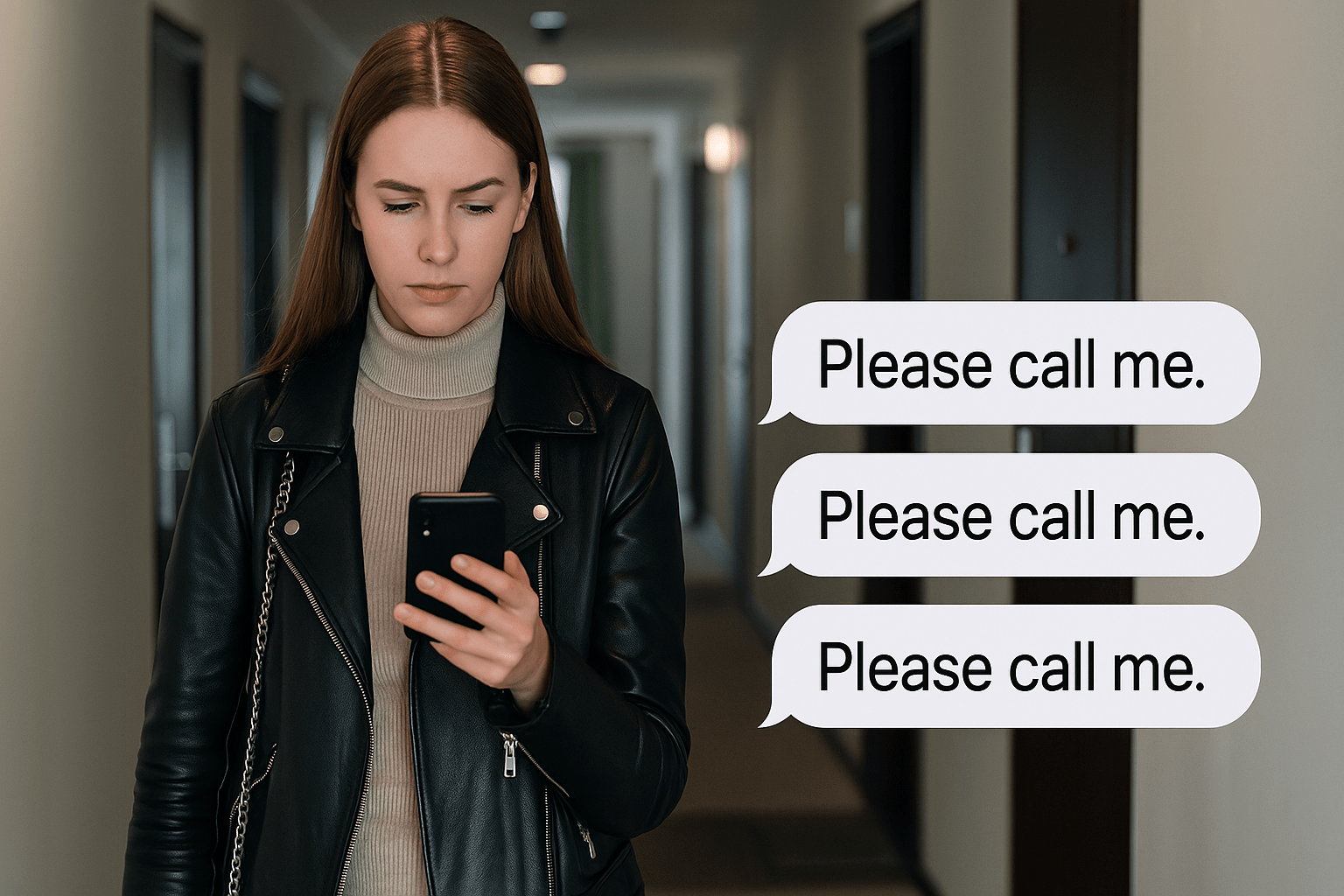
In the early stages of a relationship, even after a fight, reconciliation usually follows. But at some point, no matter how sincerely you apologize or try to soothe her the same way, her reaction changes.
Now her gaze is distant, her messages slow. That’s when most men intuitively realize, “This time feels different.” In their anxiety, they react more emotionally than before.
Why does this time feel different?
Arguments that once resolved within days now linger. Even when you reach out, her responses are cold, and you may hear, “I need some time to think.”
At that moment, a sense of crisis takes hold — “Is this the end?”
Past words resurface: “Try harder.” “I’m emotionally exhausted.” “I can’t expect anything anymore.”
The typical actions men take when anxious
Most men start acting out of desperation — long text messages, handwritten letters, gifts, events.
“This time will be different.” “Nothing matters without you.”
But these gestures rarely bridge the gap. Instead, they often push her even further away.
From her perspective — expectations broken, not trust
She isn’t leaving because of one fight. She’s seen the same pattern repeat too many times, leading her to believe, “This person will never change.”
It’s not just disappointment — it’s a loss of expectation. Once her confidence in the future disappears, phrases like “This time will be different” lose all meaning.
Why heartfelt messages and events no longer work
He tries to prove he’s changed through sincerity — messages, surprises, efforts. But to her, it all feels familiar.
“He’s acting like this again because his emotions are boiling over.”
“In a few days, he’ll go back to his old self.”
At that point, emotional gestures aren’t proof of sincerity; they’re proof that nothing has changed. Instead of restoring trust, they reinforce her certainty: “It’s the same story again.”
What she truly wants to see
What she’s lost isn’t emotion, but expectation.
It’s not about “Does he love me?” but “Can he actually change?”
That’s why promises like “I’ll never do it again” no longer work. She doesn’t need new words; she needs to see the old pattern finally break. Stopping the cycle is where change begins.
Pinpointing the shift
Say things like, “So this is what you meant when you said it was hard,” or “I really didn’t understand how you felt back then.”
These aren’t emotional pleas — they’re signs of understanding. The moment you mix them with persuasion (“Let’s meet again”), sincerity turns conditional. True change is silent, not sold.
Maintaining the gap
Let time, not words, do the work. Women perceive change over time. When you can’t withstand that brief silence and fill it again with messages or gestures, everything resets to the old pattern.
Reunior’s perspective — patterns matter more than emotions
Wanting to reconcile is natural, but impatience often ruins the process. She’s not measuring your emotion’s intensity — she’s watching to see if your pattern has changed.
To truly show this time is different, shift your rhythm, not your words. One quiet, consistent attitude builds far more trust than a thousand apologies.
Whether she opens her heart again doesn’t depend on a touching message, but on a quiet realization: “This time, things really are different.”