A breakup caused by cheating isn’t just a story of betrayal.
Even after it ends, tangled emotions remain — anger, hurt, and beneath them all, one clear desire:
“I want him to regret losing me.”
This article was written from that very place. Even if a relationship falls apart because of infidelity, understanding the other person’s psychological structure and the flow of PRV (Perceived Relational Value) makes it entirely possible to draw them back toward you.
According to Reunior’s analysis, rather than emotional revenge or cold detachment after betrayal, restoring balance in perceived value is what truly triggers regret and renewed attachment.
Case Study — The moment emotional balance collapsed
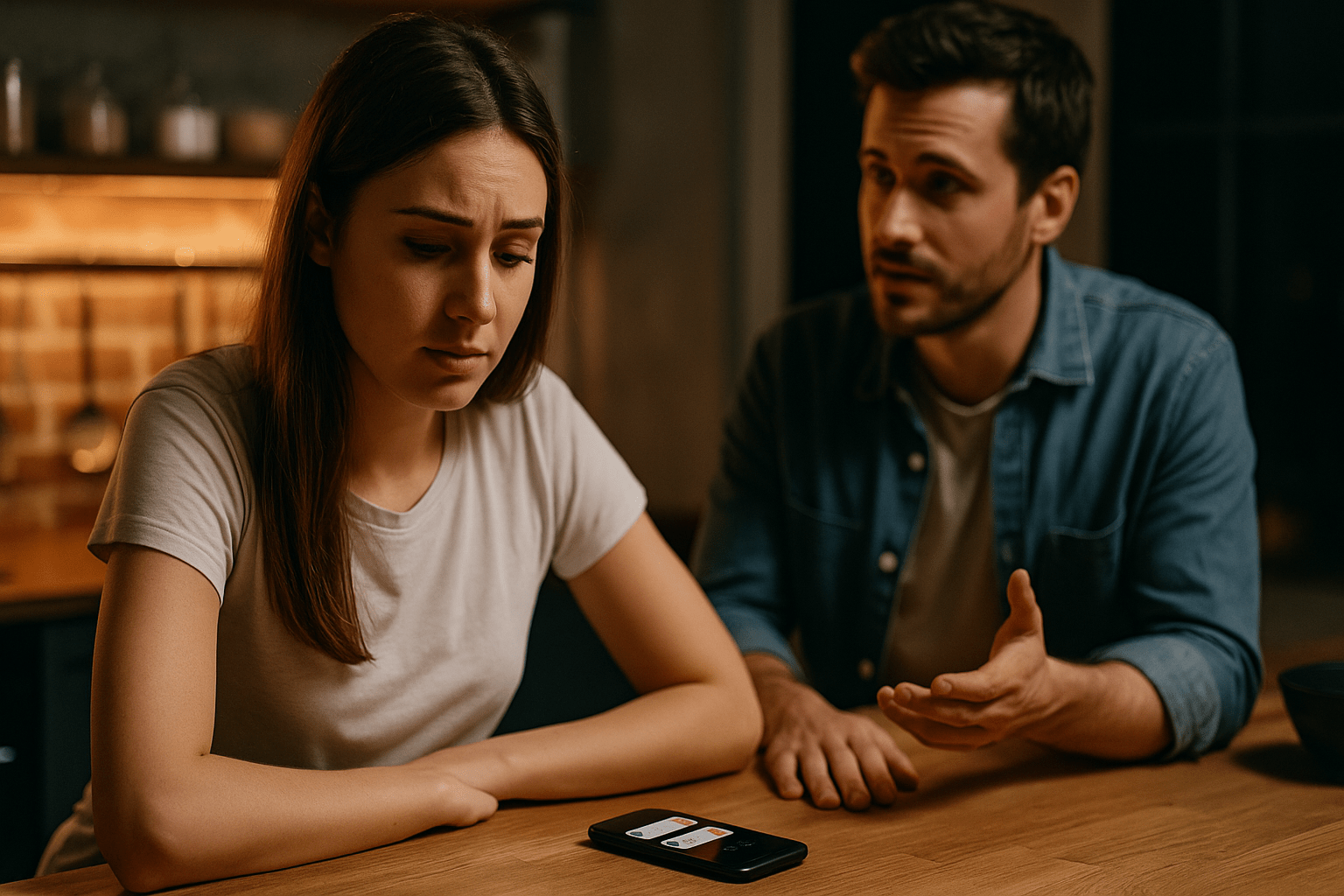
This is a woman’s story. She discovered her boyfriend of three years was secretly maintaining another relationship.
He worked in the medical field and often said he was exhausted, so she initially assumed his reduced contact was just fatigue.
But one day, a single photo shown by a friend changed everything — he was smiling with another woman at a travel destination. The caption read: “Good times with a good person.”
Amid the shock and anger, she felt two conflicting thoughts at once: “I want him to regret this” and “Would I take him back if he came back?”
1. The essence of cheating isn’t betrayal — it’s PRV imbalance
The visible issue is betrayal, but beneath it lies a long-developing imbalance in PRV within the relationship.
While one person loses their center by constantly adjusting to the other’s emotions, the other unconsciously begins to feel superior. Once that balance breaks, they no longer see you as someone difficult to lose but as someone replaceable — and cheating becomes the outcome of that perception.
2. Why people return after cheating
Many assume that “those who cheat never come back,” but Reunior’s data shows otherwise. A person hesitates to choose between two partners because the PRV gap between the two relationships isn’t large.
From their perspective, both relationships occupy a similar emotional weight.
However, if one side suddenly restores their PRV and shows composure instead of emotion, the axis of perceived value begins to shift. You start appearing more stable and grounded than the new partner — and that creates confusion, often pulling them back toward you.
3. Actions that lower PRV
Your immediate response after a breakup determines the direction of potential recovery.
Many try to provoke guilt with words like “How could you do this?” or “Aren’t you sorry?” — but this has the opposite effect. Instead of feeling remorse, the other person confirms their power: “I still control the emotional flow.”
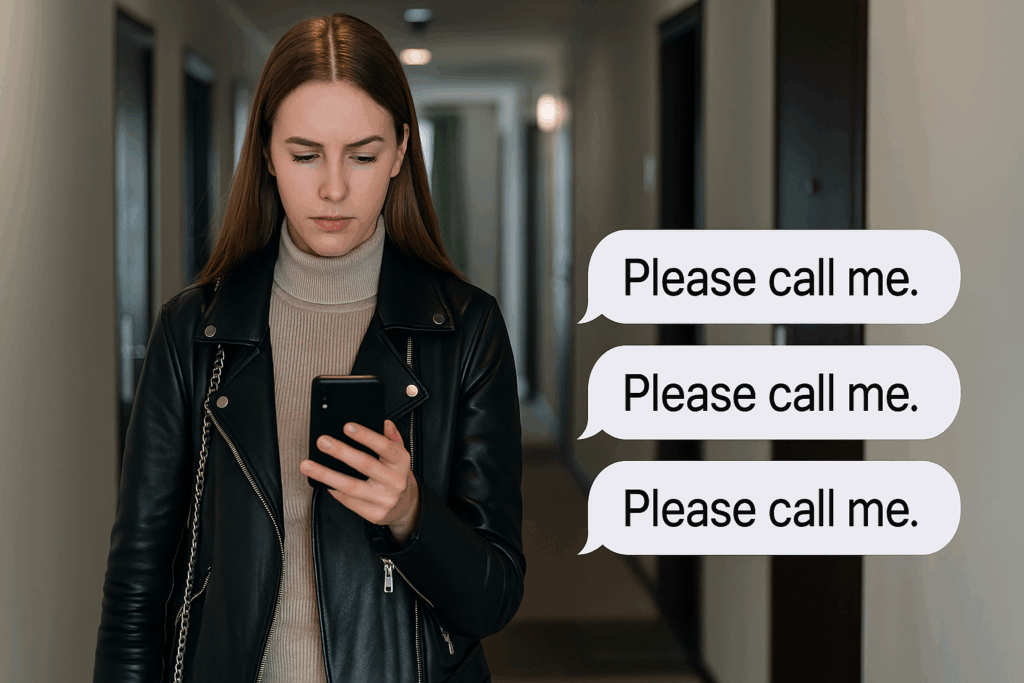
If you contact them first, cry, or apologize impulsively, PRV drops sharply again.
4. What to do now — distance and unpredictability
The first step after being cheated on is not emotional expression but distance.
Rather than immediate confrontation, steady silence — something they didn’t expect — becomes the strongest signal.
This silence isn’t avoidance; it’s a structural strategy. The moment they can no longer assume, “I’m still in control of this person,” your PRV rises again.
The goal isn’t revenge or manipulation, but restoring symmetry in emotional flow — rebalancing the PRV.
5. Reunior’s perspective
Cheating isn’t the end of a relationship — it’s the exposure of an already broken value balance.
The key isn’t persuasion or retaliation; it’s reclaiming your own PRV.
PRV is rebuilt through consistency and restraint, not emotional reaction.
When you act from clarity rather than impulse, your partner experiences genuine loss for the first time.
From that moment, balance begins to return — and regret takes root in reality.