One phrase often heard in relationships is: “I don’t feel you’re a man anymore.”
This isn’t just an emotional statement — it’s a sign that the structure of the relationship is unstable.
At Reunior, we interpret this situation as an imbalance in PRV (Perceived Relational Value). In other words, when one partner’s PRV drops, the other gradually loses romantic attraction.
1. The essence of “I don’t feel you’re a man”
What this really means is, “I no longer feel any psychological tension or satisfying PRV from you.”
Your partner senses Reactive Orientation in your tone, expressions, and decision patterns.
The moment you become emotionally dependent or adjust yourself to their moods, their brain receives a clear signal: “This person has less initiative than I do.”
As a result, both respect and attraction fade.
2. Why things started strong but changed later
In the early stages of dating, attraction forms through high initial expectations of PRV. But as time passes and your behavior becomes predictable, your partner begins to see you as a “known quantity.”
Predictability provides stability — but it also reduces emotional stimulation.
As PRV gradually declines, they begin saying things like, “The excitement’s gone,” or “You don’t feel like a man anymore.”
3. How to restore balance in the relationship
The most important step is regaining control of your own rhythm — acting from principle, not reaction.
When your partner says, “You don’t feel like a man to me,” reacting emotionally or defending yourself only deepens the imbalance.
Instead, respond briefly and lightly: “Oh? I’ve been feeling that way lately too.”
This kind of calm, self-assured tone resets the emotional dynamic and restores PRV equilibrium.
The other person’s attention naturally returns to someone who is centered and confident.
4. Why clinging destroys attraction
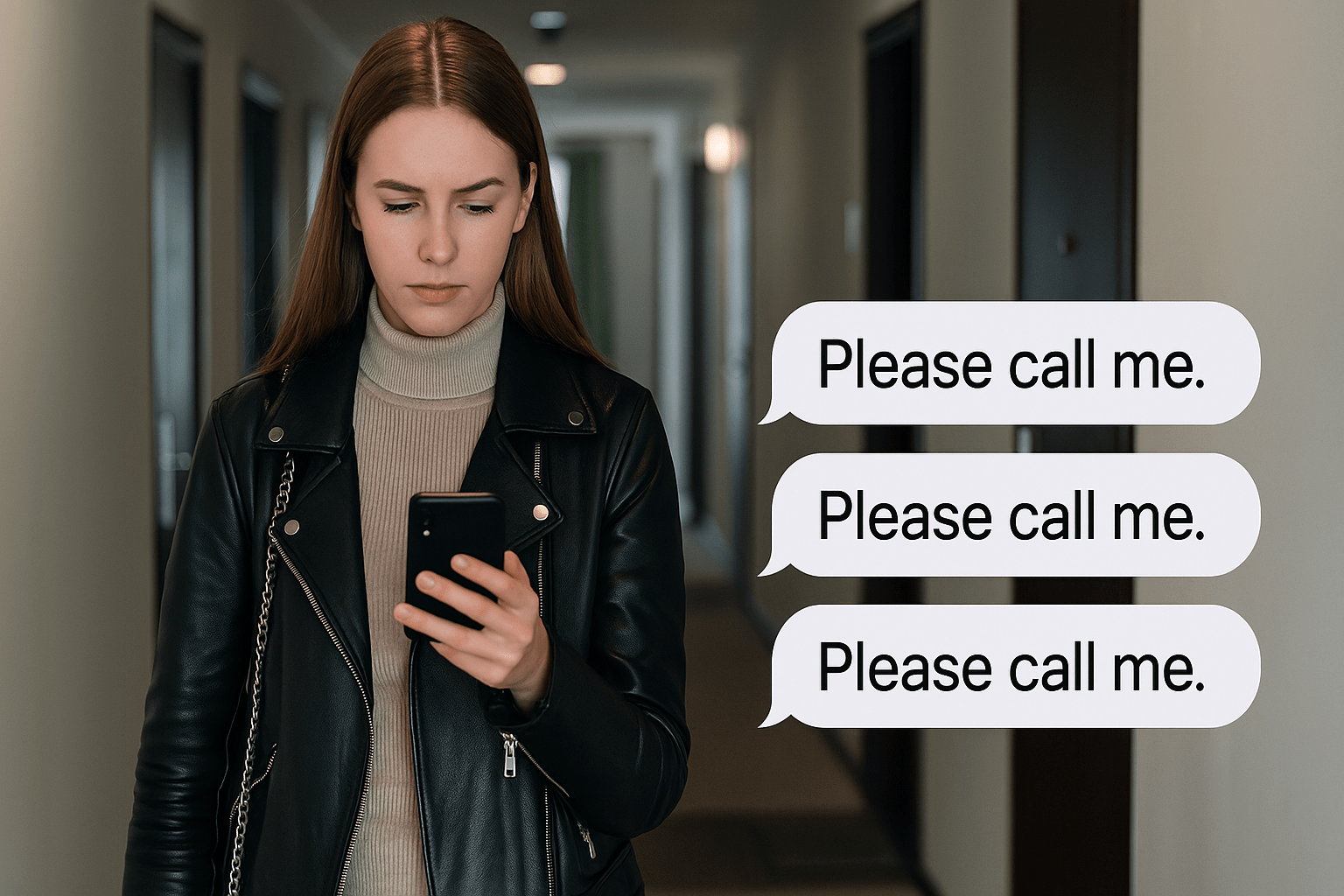
Repeated messages, emotional pleas, or attempts to reconnect after a breakup are the fastest ways to lower PRV.
Through your words, the other person becomes convinced, “They’re still emotionally attached to me.”
At that point, the PRV axis tilts completely in their favor.
As a result, they perceive you as less valuable — and emotional attraction fades.
5. When recovery becomes possible
PRV begins to recover only when emotional distance is introduced.
Unexpected silence and composure act as catalysts for re-evaluation.
When your reactions become less predictable, the other person’s perception changes — “Something’s different.” That’s when curiosity and attraction begin to rise again.
This shift isn’t coldness but graceful distance — maintaining warmth without emotional dependence.
6. Reunior’s conclusion
The phrase “You don’t feel like a man” is not simply emotional criticism — it’s the visible result of PRV imbalance.
And that imbalance is partly due to your own lowered PRV, not just your partner’s perception.
Ultimately, attraction in a relationship doesn’t come from emotional intensity, but from psychological steadiness and initiative.
This isn’t about suppressing feelings, but understanding structure.
Emotions fluctuate — but initiative can always be rebuilt.