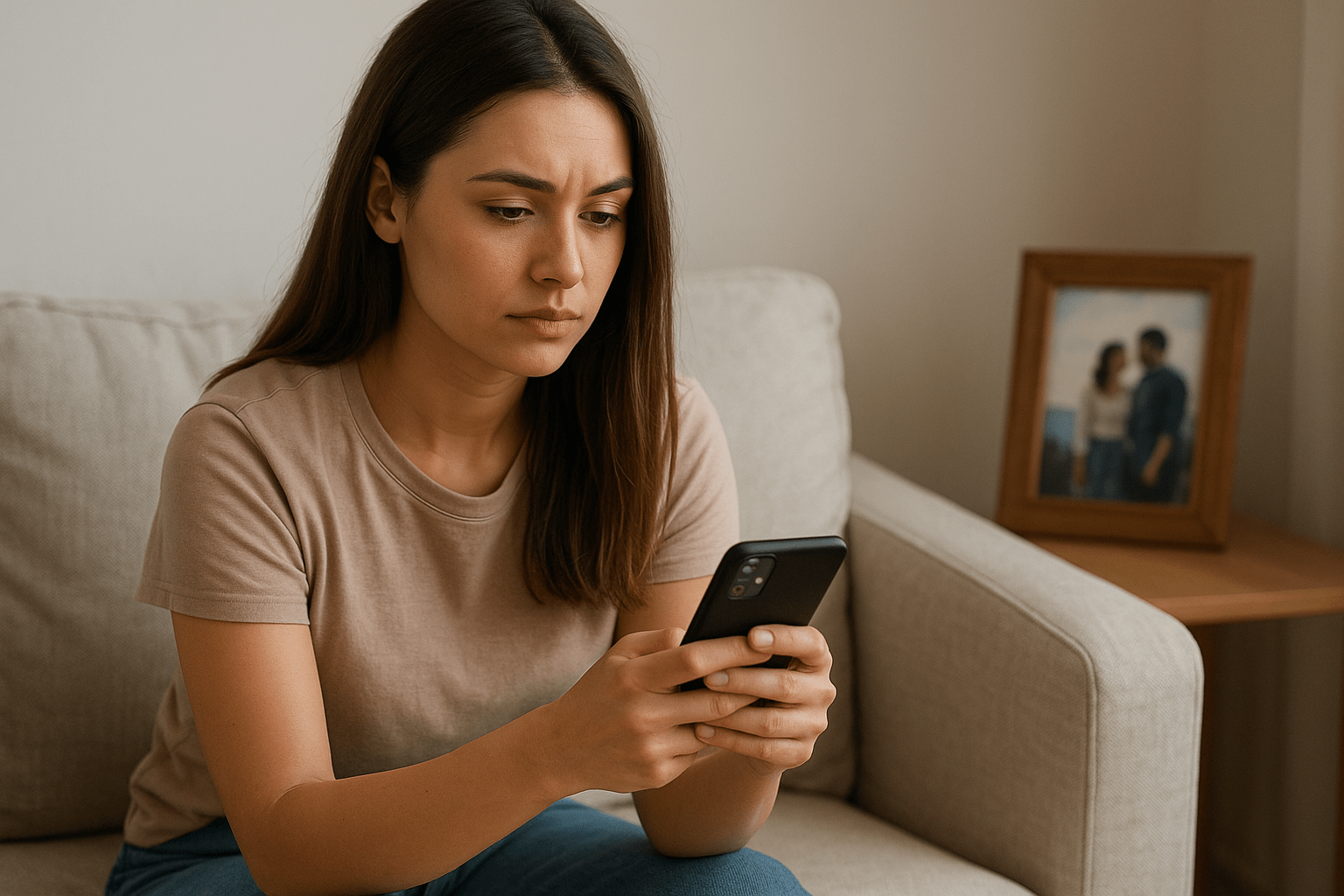
Why Does He Act Differently with Me?
This is a question Reunior has heard hundreds of times.
“He used to give his ex gifts and post couple photos on social media. But with me, he rarely does those things. Does that mean he loved her more than me?”
Behind this simple question lie feelings of insecurity, comparison, and a natural desire to measure the size of someone’s love. But according to Reunior’s analysis, these differences do not accurately reflect the depth of love. People act differently not because their emotions have changed, but because they’ve learned from experience.
People Learn from Imperfect Past Relationships
To make this easier to understand, let’s look at the story of one woman.
In her early twenties, a woman devoted everything to her first relationship. Even after the breakup, she sent him messages every day and wandered near his house, hoping to win him back. But eventually, he said firmly, “It’s over.”
Years later, she met someone new and even imagined marriage.
Yet, another breakup came. This time, she faced two choices:
1) Beg him to stay, as she did before, or 2) Act differently.
She chose the second. Not because she loved this man less, but because she had learned from her past.
“I begged last time, and it only pushed him further away. I don’t want to repeat that mistake.”
This is what Reunior calls the pattern of relational learning.
People Try Not to Repeat the Behaviors That Damaged Their Last Relationship
Through mistakes in relationships, people learn how to behave next time. In psychology, this is called behavioral learning. The more someone has been hurt, the more cautious they become in the next relationship.
• If they were hurt after being too clingy → they try to hide their emotions.
• If they exhausted themselves by overgiving → they now seek balance.
• If they once exploded emotionally → they now aim to stay calm.
These changes don’t mean their new love is weaker. They reflect a desire not to lose someone important again.
Comparison Lowers Your Own PRV
In relationships, people constantly check how significant they are to the other person. This often leads to unconscious comparison:
“Why doesn’t he treat me the way he treated her?”
“Did he love her more than me?”
These questions come from self-doubt and comparison anxiety.
But such thoughts actually lower your own PRV (Perceived Relational Value).
Comparison doesn’t change your partner’s behavior—it quietly erodes trust.
It’s Not About the Size of Love, but the Way It’s Expressed
Love doesn’t evolve through stronger emotions, but through maturity.
People learn how to sustain love through past failures, and sometimes that learning appears as caution.
If your partner seems less expressive than he was with his ex, it might not mean he loves you less—but that he wants to handle this relationship more carefully.
Conclusion — Caution Is Not the Opposite of Love
Everyone loves differently, shaped by their own experiences. His caution may not be avoidance, but a mature effort not to repeat past mistakes.
Even in the distance you feel, there might be a quiet intention to protect the relationship. Sometimes, caution isn’t the opposite of love—it’s a sign that love has grown deeper.